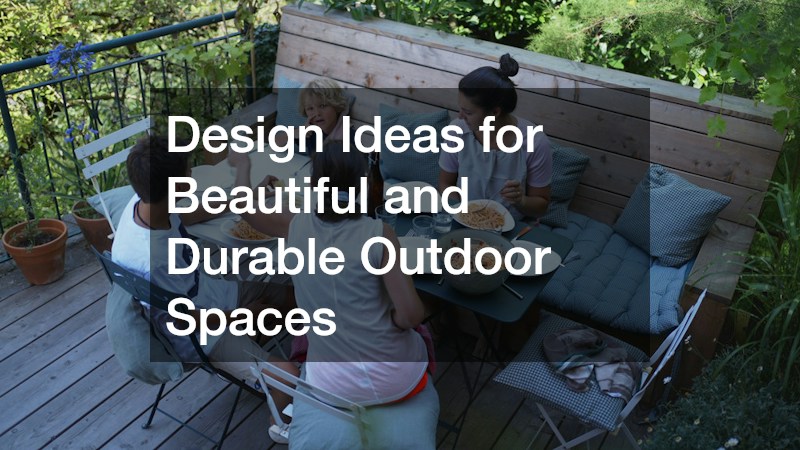
A well-designed outdoor space should do more than look attractive from a distance. It should support the way people actually use the property while standing up to sunlight, rain, temperature changes, foot traffic, and everyday wear. Whether the goal is to create a comfortable entertaining area, improve privacy, add visual interest, or make better use of an underused part of the property, thoughtful planning can make a significant difference.
A successful design also considers how individual features relate to one another. Fencing, hardscaping, landscaping, decorative elements, and gathering areas should create a cohesive environment rather than appearing as unrelated additions. The following ideas can help property owners develop outdoor spaces that balance visual appeal, practical function, and long-term performance.
Start With a Layout That Fits How You Use the Property
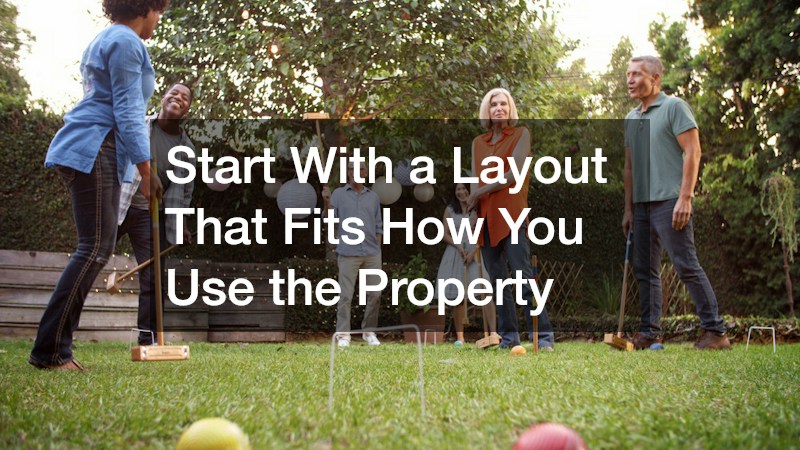
Before selecting materials or adding decorative features, evaluate how the outdoor area needs to function. Consider where people naturally walk, where sunlight falls throughout the day, and which areas need privacy or convenient access. A property used primarily for entertaining may need generous gathering areas, while a household with children or pets may prioritize open space and secure boundaries.
Think about circulation as carefully as you think about appearance. Pathways should connect frequently used areas without creating awkward routes, and gates should be positioned where people actually enter and leave the property. A custom fence can also be incorporated into the overall design rather than treated as an afterthought.
Important planning considerations include:
- Identify primary entrances and frequently used pathways.
- Separate private areas from spaces intended for entertaining.
- Account for existing trees, structures, slopes, and drainage.
- Consider how much privacy each area requires.
- Plan gates around pedestrian and vehicle access.
A strong layout creates a foundation for every later improvement. It also reduces the likelihood of installing attractive features that ultimately interfere with normal use of the property.
Preserve Decorative Features That Give Outdoor Areas Character
Outdoor artwork and decorative structures can provide personality that new landscaping alone may not replicate. A statue, fountain, monument, or ornamental feature can become a focal point, particularly when it has architectural, artistic, or historical significance. Before removing an older feature, consider whether it can be incorporated into an updated design.
Placement matters just as much as the feature itself. A decorative object should be visible without obstructing pathways or competing with too many other focal points. Surrounding plants, lighting, stonework, or seating can frame an existing piece and make it feel intentionally integrated into the landscape.
When evaluating an older decorative feature:
- Photograph its current condition from multiple angles.
- Look for cracks, staining, corrosion, or structural deterioration.
- Consider whether its original setting has changed.
- Evaluate sightlines from entrances and gathering areas.
- Determine whether surrounding improvements could protect or highlight it.
Local statue restorations may be appropriate when an existing piece has suffered weathering or age-related deterioration. Preserving distinctive artwork can add depth to a landscape while maintaining a connection to the property’s existing character.
Prepare Aging Surfaces Before Adding New Finishes
Outdoor surfaces often accumulate layers of dirt, oxidation, old coatings, rust, and other contaminants. Applying a new finish over an inadequately prepared surface can lead to poor adhesion, uneven appearance, or premature deterioration. Surface preparation should therefore be treated as an important stage of the design process rather than an inconvenience before the attractive work begins.
Start by identifying what the surface is made of and what condition it is in. Metal, concrete, masonry, and other materials respond differently to preparation methods. The surrounding property also needs protection, especially when preparation could disturb dust, debris, coatings, or landscaping materials.
Before surface preparation, consider:
- The material and existing finish.
- The condition of the underlying surface.
- Nearby plants, windows, vehicles, and finished areas.
- Whether old coatings need to be removed.
- How the surface will be finished afterward.
Sandblasting services may be useful for appropriate surfaces when extensive cleaning or coating removal is necessary. However, the method should be selected according to the material and project requirements. Proper preparation creates a cleaner foundation for refinishing and can contribute significantly to the longevity of the completed improvement.
Plan Projects Around the Tools and Resources They Require
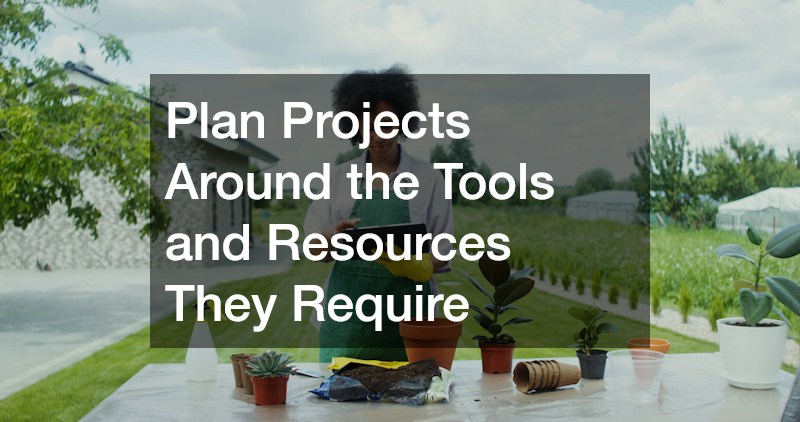
Outdoor projects frequently involve tasks that require specialized tools rather than equipment most property owners already have. Excavation, surface preparation, lifting, grading, cutting, and other work can become unnecessarily difficult when the wrong equipment is used. Planning these needs before construction begins can help projects proceed more efficiently.
Consider both the equipment itself and the conditions under which it will be used. A large machine may be powerful but impractical if access to the work area is narrow. Similarly, equipment that requires specialized operation may not be appropriate for an inexperienced user.
Create an equipment plan that addresses:
- The specific task each machine needs to perform.
- Available access points and working space.
- Equipment dimensions and weight.
- Operating requirements and safety considerations.
- Transportation and storage needs.
- The anticipated duration of use.
Equipment rental can provide access to specialized machinery without requiring permanent ownership. Before selecting equipment, confirm that its capacity matches the job and that the operator understands its proper use.
Choose Hardscape Finishes That Combine Appearance and Longevity
Hardscape surfaces influence both the appearance and usability of an outdoor environment. Patios, walkways, steps, entry areas, and other paved spaces should complement surrounding landscaping while providing surfaces that can handle expected traffic and weather conditions. The finish should therefore be selected based on both visual goals and practical requirements.
Start by considering how the surface will be used. An area intended for frequent entertaining may require different characteristics than a decorative pathway used occasionally. Drainage should also be considered because standing water can contribute to staining, surface deterioration, and other problems.
When selecting a hardscape finish, consider:
- Expected foot traffic and frequency of use.
- Exposure to rain, snow, sunlight, and temperature changes.
- Drainage and slope.
- Maintenance requirements.
- Compatibility with nearby materials.
- Surface texture and traction.
Concrete polishing services can provide a refined appearance for suitable concrete surfaces while helping them fit into a more intentional overall design. The finish should still be selected with the environment in mind, particularly where moisture or heavy traffic is expected.
Coordinating hardscape finishes with fencing, landscaping, decks, and architectural materials can make separate improvements appear like parts of one cohesive outdoor design.
Build Custom Solutions for Challenging Outdoor Features
Standard outdoor products do not always fit unusual spaces or specific functional requirements. Properties with irregular dimensions, unique architectural details, or specialized needs may benefit from custom metal components. Gates, railings, brackets, frames, supports, and decorative elements can all be designed around the actual dimensions and requirements of a property.
Before creating custom metalwork, identify the purpose of the component. A decorative railing has different requirements from a structural support, and a frequently used gate needs hardware capable of handling repeated movement. Weather exposure should also influence material selection and protective finishes.
Important considerations include:
- Accurate measurements of the installation area.
- Intended structural or decorative purpose.
- Exposure to rain, humidity, and temperature changes.
- Corrosion resistance and protective coatings.
- Hardware placement and accessibility.
- Coordination with existing structures.
Mobile welding can be particularly useful when metal fabrication or repairs need to take place at the property rather than at a separate workshop. On-site work may also simplify projects involving large or permanently installed components.
Add Color and Seasonal Details Without Overcomplicating the Design
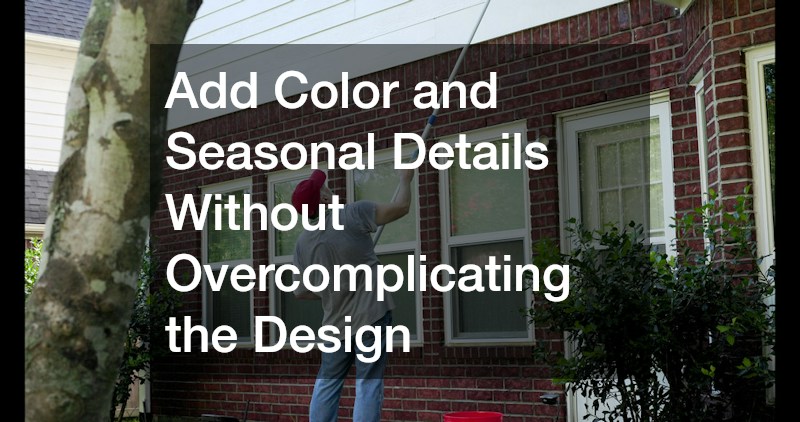
Color can dramatically change an outdoor space, but permanent landscaping does not need to provide every visual accent. Flowers, planters, seasonal arrangements, and other temporary elements can introduce color while allowing the overall appearance to change throughout the year.
Consider the existing palette before adding new colors. A property with neutral stone, wood, or concrete may benefit from carefully selected colorful accents, while an already colorful landscape may look more cohesive with a restrained approach. Containers can also provide flexibility because they can be moved or replaced without redesigning the entire area.
Ways to incorporate seasonal color include:
- Place containers near entrances and gathering spaces.
- Use flowers to highlight seating or dining areas.
- Coordinate arrangements with existing landscaping.
- Select plants appropriate for available sunlight.
- Rotate seasonal displays rather than overcrowding permanent beds.
Cheap flower delivery can be useful when homeowners want fresh arrangements for outdoor gatherings, celebrations, or temporary displays without committing to permanent plantings.
Seasonal accents should complement rather than overwhelm the property’s major design elements. Using smaller decorative additions strategically can create visual interest while keeping maintenance and future changes manageable.
Create Protected Spaces That Extend Outdoor Use
An outdoor space does not have to be completely open to remain connected to the landscape. Sheltered areas can provide shade, privacy, protection from weather, or dedicated space for activities that might otherwise be limited by environmental conditions. These areas can make outdoor living more comfortable across a wider range of conditions.
Begin by identifying the activity the protected area needs to support. Dining, relaxing, entertaining, storing equipment, and accommodating pets may each require different dimensions and materials. Ventilation and natural light should also be considered, particularly if the space will be enclosed to a significant degree.
When planning a protected outdoor area, consider:
- Sun exposure throughout the day.
- Prevailing wind and typical weather conditions.
- Drainage around the structure.
- Ventilation and airflow.
- Lighting for evening use.
- Access to the rest of the property.
- Materials that can withstand outdoor exposure.
An outdoor enclosure can provide useful separation without requiring a completely independent structure. Its design should complement the home’s architecture and surrounding landscaping rather than appearing disconnected.
Design With Moisture Management and Long-Term Protection in Mind
Water is one of the most important environmental factors to consider when designing an outdoor space. Poor drainage can affect foundations, decks, patios, retaining structures, landscaping, and other improvements. Even attractive materials can deteriorate prematurely when water repeatedly collects in the wrong places.
Walk the property during or after rainfall if possible. Look for puddles, saturated soil, overflowing gutters, erosion, and areas where runoff moves toward structures. These observations can reveal problems that are difficult to identify during dry conditions.
Prioritize:
- Directing water away from buildings and structures.
- Maintaining appropriate grading.
- Keeping drainage paths clear.
- Checking gutters and downspouts.
- Watching for erosion near hardscape areas.
- Inspecting wood and other moisture-sensitive materials.
Water damage restoration may become necessary when existing moisture problems have already affected portions of the property. However, restoration should be accompanied by attention to the source of the water problem whenever possible.
Create Comfortable Elevated Areas for Entertaining nd Relaxation
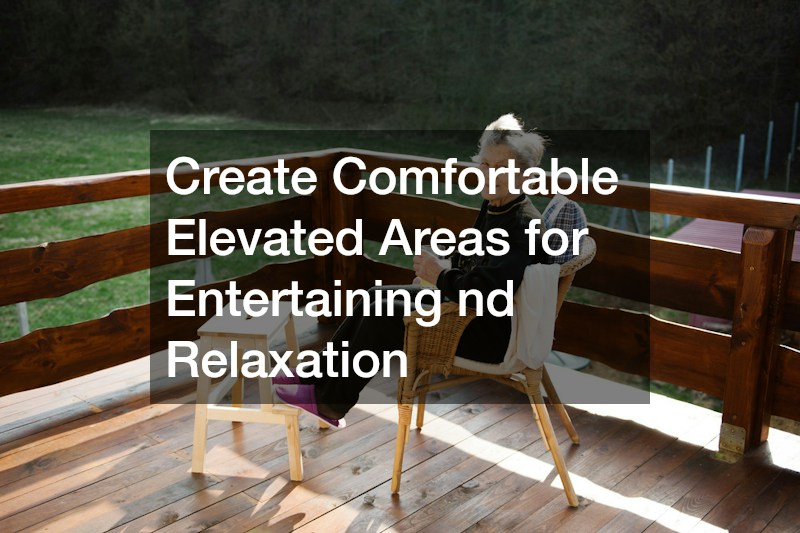
Elevated outdoor areas can create a natural transition between the home and surrounding landscape. A thoughtfully designed deck can provide space for dining, seating, grilling, entertaining, or simply enjoying the outdoors. Its size and configuration should reflect how the household expects to use it rather than being determined solely by the available property area.
Consider circulation from the house, furniture placement, stair locations, railings, shade, and lighting before construction begins. A deck that is technically large enough may still feel cramped if access points and furniture compete for the same space.
Before beginning a deck project, consider:
- How many people will typically use the space.
- Where furniture and outdoor equipment will be placed.
- Whether stairs connect naturally with the yard.
- Where shade will be needed.
- How lighting will support evening use.
- What maintenance the selected materials require.
Deck builders can help translate these practical requirements into a structure that works with the property’s architecture and landscape. Material selection should account for weather exposure, expected traffic, appearance, and maintenance.
Beautiful outdoor spaces are created through decisions that consider appearance and performance at the same time. A successful design begins with a practical layout and continues through careful material selection, appropriate surface preparation, thoughtful drainage, functional structures, and decorative details that complement the property. Each feature should have a clear purpose while contributing to the overall character of the environment.
The most successful outdoor improvements are rarely the result of adding as many features as possible. Instead, they come from selecting improvements that fit the property’s layout, the household’s routines, and the long-term goals for the space. With careful planning, outdoor areas can remain attractive, comfortable, and functional while providing lasting value for the people who use them.