Creative craft and design services power a wide range of artistic industries, from fine arts and functional design to immersive environments and restoration work. While each discipline has its own tools and traditions, successful creators share common challenges: balancing creativity with technical precision, managing client expectations, and turning skill into sustainable work.
This guide explores how different creative services operate across industries, offering actionable insights for artists, designers, and makers who want to refine their craft, collaborate effectively, and deliver professional results. Whether your work is hands-on, digital, or somewhere in between, these sections focus on practical strategies you can apply immediately.
Building Efficiency and Precision in Textile-Based Creation
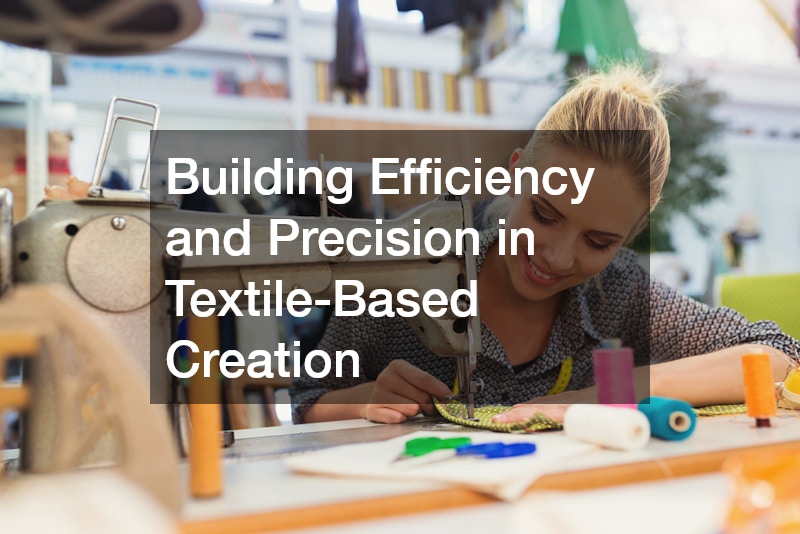
Mastering a sewing machine is about more than knowing stitches; it’s about workflow optimization. Many textile professionals lose time due to poor setup, inconsistent maintenance, or inefficient sequencing of tasks.
Create standardized machine settings for common fabrics and keep a reference guide nearby. Regular cleaning and needle replacement prevent skipped stitches and tension issues. For production work, batch similar tasks, cutting, assembling, and finishing, to reduce start-stop inefficiencies.
Designers working on custom projects should also factor machine capabilities into creative decisions. Understanding stitch limitations, fabric feed behavior, and thread compatibility allows you to design smarter, not harder.
Designing Meaningful, Wearable Art Through Custom Jewelry
A successful jeweler does more than work with metals and gemstones; they translate personal stories into wearable form. Clients often come with emotional motivations rather than a clear design direction, so discovery is critical.
Start by asking targeted questions: Is the piece commemorative, symbolic, or purely aesthetic? What daily activities will the wearer engage in? These answers inform durability, scale, and material choices. Sketching multiple concepts helps clients visualize options and builds trust in your process.
From a technical standpoint, precision matters. Proper stone setting, secure clasps, and balanced weight distribution prevent future repairs and dissatisfaction. Documenting measurements and material sources also protects your business and supports consistent quality as you scale.
Presenting Artwork Professionally for Longevity and Impact
A high-quality framing service bridges the gap between art creation and art presentation. Poor framing can diminish visual impact or even damage artwork over time, so material choices are critical.
Use acid-free mats and UV-protective glazing to preserve color and paper integrity. When working with clients, explain why certain options cost more; education builds trust and reduces price resistance. Measuring accuracy is equally important; even minor errors can compromise alignment and structural stability.
Professionals should also document framing specifications for repeat clients, ensuring consistency across collections or exhibitions.
Preserving Cultural Heritage Through Specialized Restoration
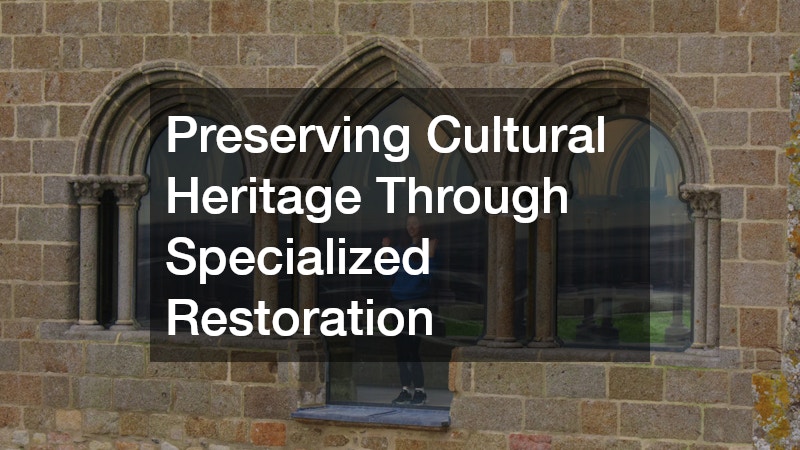
Church window restoration requires a careful balance of artistry, historical sensitivity, and technical skill. These projects often involve stained glass that is decades or even centuries old, making research a vital first step. Understanding the historical context of the building, the original artist’s intent, and the materials used helps ensure that restoration decisions honor the integrity of the work rather than altering it.
Before any repair begins, documenting existing conditions through detailed photographs, rubbings, and written assessments is essential. This documentation not only guides the restoration process but also creates a valuable record for future caretakers. Identifying original glass types, leading methods, and pigments helps determine appropriate restoration techniques. While modern shortcuts may save time, they can compromise authenticity and long-term stability if incompatible materials are introduced.
Clear communication with stakeholders is equally important. Restoration professionals should provide realistic timelines, explain structural or material limitations, and outline ongoing maintenance needs after completion. When expectations are aligned, and preservation is prioritized over speed, restored windows can continue to educate, inspire, and serve their communities for generations to come.
Creating Emotional Connection Through Thoughtful Paper Goods
A successful card shop understands that customers aren’t just buying paper; they’re expressing emotion, marking milestones, and communicating sentiments that may be difficult to put into words. Whether the message is celebratory, comforting, or deeply personal, every design choice should reinforce the intended tone and emotional impact.
Strong paper goods begin with a thoughtful visual hierarchy. Typography should guide the reader naturally, emphasizing key words without overwhelming the message. Color psychology also plays a critical role, as certain palettes evoke warmth, joy, calm, or reflection. Beyond visuals, tactile elements such as paper weight, texture, embossing, or foil accents add a sensory dimension that makes the card feel more meaningful and keeps it from feeling disposable.
Customization options further enhance value. Simple choices, like blank interiors, alternate colorways, or short personalization, allow customers to make the product feel theirs without adding significant production complexity. From an operational standpoint, analyzing sales patterns is essential. Tracking which designs sell seasonally versus year-round helps refine inventory decisions, reduce overproduction, and improve cash flow. Limited seasonal runs can create urgency, while evergreen designs provide consistent revenue. When emotional insight is paired with smart design and data-driven planning, paper goods become both meaningful keepsakes and sustainable products.
Elevating Brand Identity With Detailed Textile Decoration
Professional embroidery adds durability and refinement to apparel, accessories, and promotional goods, making it a powerful tool for brand expression. Unlike printed graphics, stitched designs convey texture, craftsmanship, and longevity. However, even strong artwork can fall short if digitizing or thread selection is poorly executed, leading to puckering, distorted shapes, or inconsistent color results.
Successful projects start with optimizing artwork specifically for stitching. Simplifying complex shapes, reducing excessive detail, and adjusting line thickness ensure designs translate cleanly from screen to fabric. Digitizing should account for stitch direction, density, and pull compensation to maintain clarity once the fabric is under tension. Running test stitch-outs on similar materials before full production helps identify issues with alignment, thread breaks, or fabric distortion early, saving time and material costs.
Fabric choice also matters. Different textiles react differently to stitching, so stabilizers and needle types must be matched accordingly. For client work, setting clear expectations is essential. Explain how thread color can vary under different lighting and how stitched textures differ from flat, printed designs. Providing samples or photos of comparable work builds confidence and reduces surprises. This level of transparency not only prevents revisions but also positions you as a knowledgeable partner, encouraging long-term client relationships and repeat business.

Translating Functional Needs Into Beautiful Storage Solutions
A skilled cabinet designer blends spatial planning, ergonomics, and aesthetics to create storage solutions that feel intuitive and visually cohesive. Successful projects begin with precise measurements and a clear understanding of how clients actually use their space, not just how they want it to look. Observing traffic flow, appliance placement, and existing storage pain points provides valuable insight that informs smarter design decisions.
Mapping daily routines is a critical step. Identifying where items are used most frequently helps determine optimal drawer placement, shelf height, and access points. For example, storing cookware near preparation areas or organizing office storage around workflow patterns improves efficiency and reduces clutter. Thoughtful interior features such as pull-out shelves, soft-close hardware, and adjustable compartments further enhance usability.
Material selection plays a major role in long-term satisfaction. Finishes should balance appearance with durability, particularly in high-use areas like kitchens or offices where moisture, heat, and frequent handling are factors. Designers should clearly explain maintenance requirements and lifespan expectations to help clients make informed choices.
Presenting designs with detailed renderings, layout diagrams, and finish samples builds confidence and minimizes misunderstandings. When clients can visualize the final result, they are less likely to request changes mid-project, saving time, reducing costs, and ensuring the finished cabinetry meets both functional and aesthetic goals.
Enhancing Experiences Through Integrated Visual and Sound Design
Professional audio visual companies play a critical role in shaping how audiences experience events, spaces, and presentations. Effective design starts with a deep understanding of the environment. Lighting conditions, room acoustics, ceiling height, audience size, and viewing angles all influence how sound and visuals should be configured. A solution that works well in one space may fail in another, which is why site assessments are essential before any equipment is selected or installed.
Simplicity is often the key to reliability. Avoid overcomplicating setups with unnecessary components or advanced features that won’t be used. Systems with intuitive controls and consistent performance tend to deliver better results than complex configurations that require constant troubleshooting. Thorough testing in the actual space, rather than relying on assumptions, helps identify issues such as glare, audio feedback, or signal interference before they affect users.
Long-term success depends on usability after installation. Clear documentation, labeled connections, and straightforward operating guides make systems accessible to non-technical users. Client training is equally important, ensuring staff understand basic operation, troubleshooting, and maintenance. When visual and sound systems are thoughtfully integrated and easy to manage, they enhance engagement, reduce frustration, and provide lasting value well beyond the initial setup.
Designing Outdoor Spaces That Balance Beauty and Function
A thoughtful landscaping designer considers far more than plant selection when shaping an outdoor space. Drainage patterns, sun exposure throughout the day, soil composition, and the client’s maintenance capacity all influence whether a design will thrive long-term or struggle after installation. Addressing these factors early helps prevent common issues such as standing water, plant failure, or excessive upkeep costs.
Successful outdoor designs balance structure and softness. Hardscape elements like walkways, retaining walls, and seating areas should guide movement and define purpose, while plantings soften edges and add seasonal character. Creating layered designs, combining trees, shrubs, and ground covers, adds depth and ensures visual interest year-round, not just during peak growing seasons. Selecting native or climate-adapted plants can significantly reduce watering, fertilization, and replacement needs while supporting local ecosystems.
Client communication is just as important as technical planning. Clearly explain how the space will change over time, including plant growth, seasonal variation, and maintenance requirements. For clients with limited budgets, presenting phased plans allows them to implement the design in stages without compromising the overall vision. This approach builds trust, makes projects more accessible, and ensures the final result feels cohesive rather than piecemeal.

Expanding Creative Skill Sets Through Hands-On Fabrication
Taking a welding class can unlock new creative possibilities for artists and designers working in metal, furniture, or large-scale installations. Welding introduces structural thinking and an understanding of material behavior that naturally complements other design disciplines. Instead of designing only for appearance, creators begin to consider load, balance, joints, and long-term durability, resulting in work that is both expressive and structurally sound.
For beginners, starting with foundational techniques is essential. Learning basic weld types, joint preparation, and material compatibility builds confidence and prevents common mistakes that weaken finished pieces. Practicing on scrap materials allows experimentation without pressure and helps develop muscle memory before moving into complex designs. Safety training is non-negotiable; proper protective gear, ventilation, and workspace organization protect both the maker and the integrity of the work.
Beyond technical skills, fabrication experience changes how creatives approach problem-solving. Designers become more realistic about what can be built, how long it takes, and which design elements add unnecessary complexity. Even if welding never becomes a primary focus, this knowledge improves communication with fabricators, reduces costly revisions, and streamlines production. Understanding fabrication processes also expands creative vocabulary, allowing designers to push boundaries while staying grounded in what is physically achievable.
Creative craft and design services thrive at the intersection of skill, planning, and thoughtful execution. Across artistic industries, success comes from understanding both the technical demands of your medium and the human needs behind each project. By refining processes, communicating clearly, and continuously expanding your skill set, creative professionals can deliver work that is not only visually compelling but also durable, meaningful, and impactful.
Long-term growth in creative fields depends on consistency as much as inspiration. Developing repeatable workflows helps reduce errors, manage time effectively, and maintain quality as project volume increases. Documenting steps, setting realistic timelines, and using checklists can free mental space for creativity while minimizing costly revisions. Equally important is learning how to collaborate, whether with clients, contractors, or fellow creatives. Clear expectations, written agreements, and regular updates prevent misunderstandings and build trust.
Staying competitive also requires a commitment to learning. Tools, materials, and techniques evolve, and professionals who invest in continued education are better positioned to adapt and innovate. This might include attending workshops, studying emerging trends, or exploring adjacent disciplines that enhance your core offerings. Finally, understanding the emotional impact of your work and how it’s used, experienced, or remembered adds depth and value that goes beyond aesthetics. When creativity is paired with strategy and empathy, it becomes a powerful driver of lasting success.