In today’s modern architecture, the use of metal is an evolving art form that blends utility with aesthetics. Metal has carved its niche by introducing cutting-edge manufacturing techniques that redefine modernity in architectural design. Not only does it bring durability and strength, but its diverse applications inspire architects to innovate beyond traditional construction limits.
The Appeal of Metal in Modern Architecture
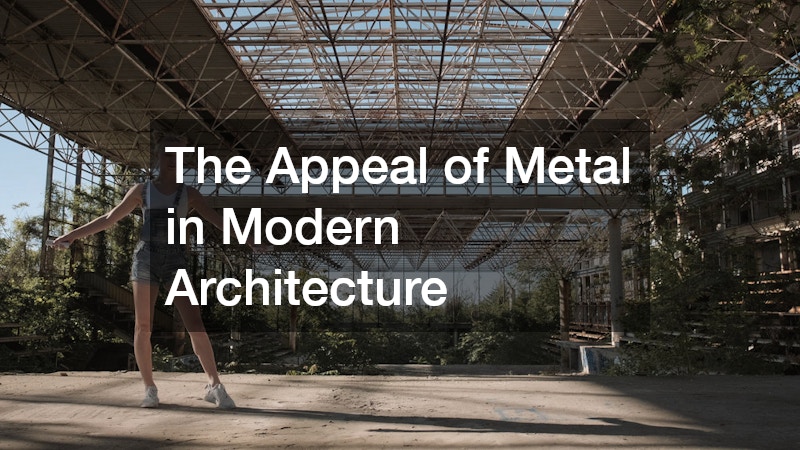
Metal brings a unique allure to buildings through its sleek appearance and flexibility in form. Architects often choose metal for its ability to seamlessly integrate with materials like natural stone. This amalgamation allows structures to maintain a contemporary edge while still respecting classical design elements.
The appeal of metal also extends to its inherent properties such as durability and corrosion resistance. With advanced rust proofing techniques, metal structures can withstand harsh climates, ensuring longevity. Metal’s versatility allows for creative expressions in installations, from facades to intricate metal art.
Metal building contractors are at the forefront of adapting these materials to new designs. Their expertise is crucial in leveraging the cutting-edge manufacturing techniques that give rise to stunning architectural feats. These professionals bring visions to life, overseeing the transition from concept to reality with precision.
Integrating Metal with Natural Materials
One of the compelling aspects of using metal in architectural design is its ability to complement natural materials. The juxtaposition of sleek metal lines with the earthy tones of natural stone offers a balanced aesthetic. This integration reflects a harmonious blend of nature and technology.
Metal contrasts beautifully with materials that exhibit varied textures and hues. For instance, custom aluminum railings paired with natural stone staircases can create a captivating visual interplay. These combinations often result in designs that are both innovative and timeless.
Home renovation contractors are increasingly incorporating metal elements into traditional constructions. By doing so, they breathe new life into older structures, offering them a modern twist. Such renovations often see the collaboration of experts skilled in structural steel fabrication, merging robustness with design finesse.
The Role of Innovation in Metal Fabrication
Innovation in metal fabrication plays a pivotal role in the architectural sector today. Cutting edge manufacturing processes have advanced significantly, allowing for more intricate designs and efficient use of resources. These innovations are pivotal in creating unique architectural features that stand out.
Structural steel fabrication is a cornerstone of modern architectural endeavors, enabling the creation of robust frameworks for imposing structures. The precision and expertise involved in this process ensure that designs are not only aesthetic but resilient. Fabrication thus transforms raw metal into elements that define the skyline of cities.
Companies involved in structural steel fabrication use state-of-the-art technology to deliver components that meet stringent quality standards. Their work guarantees that metal elements perfectly align with design specifications. As innovation continues to drive this field, the potential for creative applications in architecture expands exponentially.
The Impact of Durable Design
Durability is a key consideration in architectural design, and metal inherently offers excellent strength and long-term performance. The application of rust proofing technology ensures that metal structures remain pristine through the years. This durability translates into lower maintenance costs and enhanced building life cycles.
Roofing contractors often prefer metal for its resilience against environmental pressures. Metal roofs provide excellent protection against rain, wind, and other elements, making them a preferred choice in diverse climates. Their longevity and low maintenance requirements make them an economically attractive option for homeowners.
The inclusion of durable metal elements in design not only addresses practical concerns but also adds value to properties. It allows architects and builders to deliver projects that meet and exceed expectations for both quality and aesthetic appeal. Durability thus reinvents possibilities in architectural innovation.
Enhancing Aesthetic Value with Metal
Aesthetic considerations are at the heart of architectural design, and metal offers a medium to explore novel creative expressions. Its versatility allows architects to manipulate it into various forms, textures, and finishes. This adaptability provides countless opportunities to enhance visual appeal and artistic merit.
Custom aluminum railings exemplify how metal can transform simple structural elements into focal points. With their delicate designs and polished appearances, they act as visual anchors in spaces, guiding the viewer’s eye. When strategically utilized, these elements elevate the overall aesthetic of a building.
By prioritizing aesthetic quality alongside functionality, architects can create spaces that inspire and captivate. Metal’s sheen and formability open doors to crafting distinctive artistic statements. Each metal-infused project emphasizes innovation and exemplifies superior architectural craftsmanship.
Ensuring Structural Integrity
The use of metal in architecture contributes substantially to structural integrity. Cutting edge manufacturing processes ensure precision and dependability in metal components, bolstering structural safety. Metal’s high load-bearing capacity and resistance to wear are vital for maintaining integrity over time.
Excavation experts often coordinate with metal specialists to ensure optimal site preparation and integration. This collaboration is crucial when dealing with underground supports and foundational structures. Their combined efforts contribute to the effective deployment of metal elements, ensuring solidity and efficiency in construction.
Metal building contractors employ rigorous standards to ensure each piece aligns perfectly with design blueprints. Their skill in assembling and erecting metal frameworks ensures that the end structure performs well under stress. Adherence to such standards guarantees long-term safety and sustainability in architectural constructions.
Reducing Environmental Impact
Sustainability is an essential consideration in contemporary architecture, with metal playing a significant role. Recyclability of metal helps minimize waste and reduces the environmental footprint of construction projects. The use of metals like aluminum, which are highly recyclable, supports eco-friendly building practices.
Choosing metal elements over less sustainable materials encourages the efficient use of natural resources. The lightweight properties of metal also mean that less energy is consumed during transportation, lowering overall emissions. As the industry moves towards greener practices, metal’s contribution is increasingly recognized as pivotal.
Forklift rental services often facilitate the transport and handling of metal components on construction sites. By ensuring efficient logistics, these services enhance project productivity while reducing energy consumption. Collectively, these efforts contribute towards minimizing the ecological impact of architectural developments.
Collaborative Dynamics in Construction
Collaborative efforts among contractors and architects are instrumental in achieving successful construction outcomes. The synergy between home renovation contractors and metal specialists leads to cohesive and innovative designs. Such collaboration ensures the seamless integration of metal into various aspects of a project.
Metal building contractors work closely with other specialists to optimize materials and construction methods. Their expertise is vital in navigating complex projects, ensuring both aesthetics and functionality are met. Teamwork fosters an environment where diverse skills and perspectives contribute to enhanced results.
The involvement of experts dealing with structural steel fabrication guarantees precision in execution. By aligning stakeholder objectives, the collaborative approach delivers projects that are exemplary in design and structural coherence. The role of teamwork is invaluable in enabling the creative and technical potentials of metal in architecture.
Innovating with Custom Metal Design
Custom metal design opens up unprecedented opportunities for creativity in architecture. The ability to tailor metal elements allows architects to introduce unique designs and personalized touches to projects. Custom aluminum railings, for example, offer a refined detail that distinguishes bespoke constructions.
Advanced fabrication techniques facilitate the realization of complex and intricate metal works. These techniques empower designers to push the boundaries of conventional design, embracing creative possibilities. Custom solutions are often the result of collaboration between designers and skilled metal workers.
Metal’s adaptability enables it to marry functionality with form in custom designs. The seamless addition of metal components can transform spaces, adding elegance and sophistication. As architectural visions grow bolder, custom metal designs continue to inspire and bring imagination to life.
The Future of Metal in Architecture
As we look to the future, metal promises to remain a cornerstone in architectural innovation and expression. Its versatility, strength, and aesthetic potential make it indispensable in modern and future constructions. The continued evolution of fabrication technologies will only enhance metal’s role in architectural design.
Architects and builders alike will keep exploring new ways to incorporate metal artistically and sustainably. The collaboration among industry experts will drive further advancements and push the creative envelope. Embracing these potentials ensures that metal’s legacy in design continues to inspire and transform the built environment.
The demand for innovative and sustainable solutions calls for new approaches to metal utilization in architecture. As practices evolve, metal’s importance will only grow, reaffirming its place as a key material in shaping our world’s architectural landscape. The horizon for architectural design with metal is boundless, promising novel interpretations of beauty and durability.