
Transforming a standard residence into a living piece of art begins long before you select paint swatches or hang framed canvases. True architectural artistry lies in the bones of the structure, the flow of space, and the deliberate manipulation of volume and proportion. When a house is treated as a three-dimensional sculpture, every wall, doorway, and ceiling plane becomes an intentional design choice rather than a mere structural necessity. By rethinking the foundational layout of your living environment, you set the stage for a home that evokes emotion and inspires daily life.
Reimagining Open Floor Plans Through Precision Cuts
Many older homes suffer from compartmentalized layouts that block sightlines and trap shadows in isolated corners. Creating a gallery-like flow requires removing barriers while preserving structural integrity and visual balance. Instead of simply knocking down walls indiscriminately, consider carving framed openings, interior pass-throughs, or dramatic archways that guide the eye from one room to the next. Working with specialists who offer professional wall sawing allows you to cut clean, exact openings through concrete, brick, or load-bearing masonry without damaging surrounding finishes.
- Frame Your Sightlines: Position new structural openings so they align directly with focal points in adjacent rooms, such as a fireplace, a sculptural staircase, or a garden view.
- Play with Ceiling Heights: Introduce coffered ceilings, exposed timber beams, or recessed tray details to define distinct zones within an open layout without erecting physical walls.
- Embrace Negative Space: Leave expansive stretches of uninterrupted drywall between architectural features so the eye has room to rest, treating blank walls as essential breathing room.
Partnering with Master Craftsmen for Bespoke Layouts
Executing bold architectural changes demands a level of precision that goes far beyond standard renovation work. Whether you are building from the ground up or overhauling an existing footprint, collaborating with seasoned home remodeling contractors ensures that every mitered corner, recessed baseboard, and shadow gap is executed to perfection. If your vision involves starting with a blank canvas on a unique piece of land, partnering with visionary custom home builders gives you total control over orientation, spatial hierarchy, and bespoke structural details from day one.
- Specify Flush Finishes: Ask your builders to install flush-mount baseboards, frameless doors, and mud-in drywall vents to eliminate visual clutter and create seamless transitions across surfaces.
- Integrate Built-In Millwork: Replace bulky freestanding storage with floor-to-ceiling cabinetry, recessed shelving niches, and hidden reading nooks that appear carved directly out of the architecture.
- Align Architectural Grids: Ensure that grout lines, window mullions, lighting fixtures, and cabinetry seams follow a unified geometric grid throughout the entire floor plan.
Mastering Natural Light and Indoor-Outdoor Flow

Light is the primary medium through which architecture is experienced, shifting the mood, color, and texture of a room from dawn until dusk. An artistic home harnesses daylight deliberately, using apertures of varying shapes and sizes to paint dynamic shadows across interior surfaces. Furthermore, dissolving the boundary between indoor living areas and the surrounding landscape expands the perceived footprint of your home and turns nature itself into living artwork.
Dissolving Boundaries with Expansive Glass Systems
Traditional punched windows often frame the outdoors like small, disconnected snapshots, limiting both natural illumination and fresh air circulation. Replacing static exterior walls with movable glass partitions transforms how you interact with your patio, deck, or courtyard. Installing custom folding doors allows you to accordion an entire wall of glass neatly to the side, merging your interior living space with the outdoors and flooding the room with unobstructed sunlight.
- Match Interior and Exterior Flooring: Extend the same stone, tile, or decking material from your interior living area out onto the patio to create the illusion of a single continuous floor plane.
- Consider Frame Profiles: Choose ultra-slim steel, aluminum, or blackened wood frames that act like dark ink outlines framing the greenery outside.
- Plan for All Seasons: Select high-performance insulated glazing and recessed weather-sealed tracks so your expansive glass walls remain energy-efficient during extreme temperatures.
Upgrading Apertures for Maximum Illumination and Safety
Even in rooms where an entire wall cannot be opened, upgrading existing fenestration can dramatically alter the atmosphere and aesthetic value of your home. Strategic window replacements with larger panes, clerestory transoms, or corner-wrapping glass eliminate heavy visual dividers and invite light deep into the interior core. When transforming lower levels or basements into habitable art studios, guest suites, or lounges, hiring an experienced egress window contractor ensures that subterranean spaces receive generous natural daylight while meeting strict safety codes.
- Install Clerestory Windows: Place narrow horizontal windows high along exterior walls to bring in soft, diffused sky light while maintaining complete privacy from neighboring properties.
- Utilize Window Wells as Gardens: Turn required basement window wells into miniature sunken courtyards by lining them with stacked stone, ferns, and subtle landscape uplighting.
- Balance Solar Orientation: Pair expansive north-facing glass for consistent, glare-free gallery lighting with shaded south-facing overhangs to capture warm winter sun.
Elevating Surfaces, Materials, and Tactile Finishes
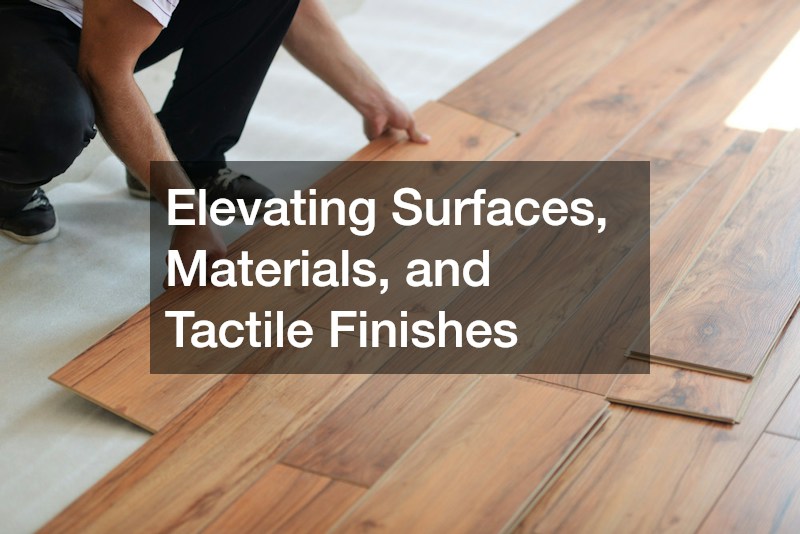
Once the architectural shell is bathed in natural light, the next layer of artistic transformation focuses on the tactile surfaces beneath your feet and within reach. A truly memorable interior engages the sense of touch just as much as the sense of sight. Combining authentic, raw materials that develop a rich patina over time lends depth, warmth, and permanence to your living spaces.
Restoring Natural Woodwork to Gallery Quality
Flooring serves as the visual foundation for every room, anchoring your furniture and reflecting natural light upward onto the walls. Over decades, even the finest timber planks can become dulled by scratches, UV fading, and yellowed topical sealants. Investing in professional hardwood floor refinishing strips away years of wear to reveal the raw organic grain beneath, allowing you to apply modern matte oils or custom stains that highlight the natural character of the wood.
- Opt for Matte or Satin Sheens: Avoid high-gloss polyurethanes that create distracting glare; instead, choose penetrating hardwax oils or ultra-matte finishes that showcase the authentic texture of the timber.
- Experiment with Custom Stains: Bleach white oak for a serene, Scandinavian gallery aesthetic, or use reactive fuming techniques to achieve deep, smoky espresso tones without obscuring the wood grain.
- Repair and Lace In Boards: Have craftsmen seamlessly weave new planks into damaged sections rather than settling for obvious transition strips or mismatched patches.
Layering Plaster, Stone, and Artisanal Wall Treatments
Flat, eggshell-painted drywall rarely inspires visual intrigue, especially when dramatic natural light rakes across a wall. Elevating your vertical surfaces with artisanal finishes turns the walls themselves into sculptural installations. Limewash, Venetian plaster, microcement, and hand-troweled clay introduce subtle tonal variations and velvety textures that shift in appearance as you walk past them.
- Apply Limewash for Soft Movement: Use mineral-based lime paints in bedrooms and living areas to create a cloudy, chalky depth that softens harsh acoustics and absorbs light gently.
- Introduce Honed Natural Stone: Incorporate slabs of unpolished travertine, soapstone, or veined marble for fireplace surrounds, kitchen backsplashes, and monolithic bathroom vanities.
- Add Architectural Wood Paneling: Install vertical fluted oak slats, shiplap, or geometric wainscoting to introduce rhythmic shadow lines and warmth to minimalist hallways.
Curating Furniture as Functional Sculpture

In an artful home, furniture is never chosen merely to fill empty square footage; every piece earns its place through exceptional form, proportion, and craftsmanship. Treating furnishings as functional sculptures means prioritizing silhouette, material honesty, and negative space over matching showroom sets. When each chair, table, and bed frame possesses distinct artistic merit, the room feels curated over time rather than decorated all at once.
Selecting Statement Silhouettes for Rest and Living Spaces
The most impactful rooms balance bold, sculptural anchor pieces with understated supporting elements so nothing competes for visual dominance. In the primary suite, the bed serves as the undisputed centerpiece around which the entire room is composed. Visiting specialty bed stores allows you to experience artisanal frames crafted from solid sculpted walnut, bouclé upholstery, or low-profile platform silhouettes that turn your sleeping quarters into a serene sanctuary.
- Vary Leg Profiles and Heights: Pair a low-slung, grounded sofa with a leggy, sculptural lounge chair and a monolithic stone coffee table to create dynamic visual rhythm across the room.
- Prioritize Organic Curves: Soften the rigid right angles of modern architecture by introducing curved sofas, round dining tables, and crescent-shaped accent chairs.
- Invest in Heirloom Craftsmanship: Look for visible joinery, hand-stitched leather, and solid timber construction that will age gracefully and endure for generations.
Balancing Textiles, Soft Furnishings, and Heirloom Rugs
Hard architectural surfaces like concrete, glass, and hardwood require soft textiles to absorb sound and introduce warmth underfoot. Hand-knotted wool rugs, raw linen draperies, and woven throws act as horizontal tapestries that anchor seating arrangements and define zones within open rooms. To preserve the vibrant vegetable dyes and delicate fibers of fine floor coverings, partnering with a specialized rug cleaning service ensures your heirloom pieces remain bright, soft, and free of damaging grit.
- Size Rugs Generously: Choose area rugs large enough for at least the front legs of all surrounding furniture to rest comfortably on the pile, uniting the seating group into a cohesive island.
- Hang Draperies High and Wide: Mount curtain tracks directly to the ceiling and extend them well past the window trim so fabric panels frame the glass like theatrical curtains without blocking light.
- Mix Tactile Weaves: Combine chunky wool bouclé, smooth raw silk, washed Belgian linen, and supple suede in a restrained color palette to create richness through texture rather than loud patterns.
Designing Atmospheric Lighting and Gallery Displays

Even the most breathtaking architecture and curated furnishings will fall flat after sunset without a thoughtful lighting strategy. Lighting design is the art of sculpting with illumination and shadow, guiding attention toward textures and focal points while leaving peripheral areas softly dimmed. By layering multiple light sources and treating your walls like a private exhibition space, your home comes alive with drama and intimacy at night.
Layering Illumination to Sculpt Shadows and Highlights
Relying on a grid of overhead recessed cans flattens a room and creates harsh, unflattering shadows. Instead, approach lighting like a cinematographer by blending ambient, task, and accent illumination on separate dimmer circuits. When planning an extensive lighting overhaul alongside broader structural upgrades, securing a tailored home improvement loan service can provide the flexible capital needed to install architectural recessed fixtures, custom sconces, and smart dimming systems all at once.
- Install Recessed Wall Washers: Place directional trimless downlights 18 to 24 inches away from textured plaster or stone walls to graze the surface and highlight every subtle imperfection.
- Use Warm Color Temperatures: Select LED bulbs rated at 2700K or warmer for living areas and bedrooms, and look for a Color Rendering Index (CRI) of 95 or higher so artwork and wood tones appear true to life.
- Hide Linear LED Strips: Tuck indirect cove lighting into ceiling recesses, under floating bathroom vanities, and behind headboards to cast a soft, floating halo across surfaces.
Hanging Artwork and Objects with Museum Precision
Displaying personal collections, photography, paintings, and ceramics requires restraint and deliberate placement. Crowding every available wall diminishes the visual impact of individual works, whereas thoughtful spacing elevates even modest pieces to museum status. Treat hallways, stair landings, and powder rooms as unexpected gallery moments that reward exploration throughout the home.
- Follow the Eye-Level Rule: Hang the center of standalone artworks at roughly 57 to 60 inches from the finished floor, adjusting slightly lower in rooms where people are primarily seated.
- Curate Asymmetric Gallery Walls: Group eclectic frames by maintaining a consistent 2 to 3 inch gap between edges, anchoring the arrangement with one large vertical piece off-center.
- Pedestal Three-Dimensional Objects: Display ceramic vessels, bronze sculptures, and found natural artifacts on minimalist plinths, floating mantels, or illuminated shelving niches rather than cluttering tabletops.
Planning and Executing Your Creative Vision
Turning an ambitious aesthetic vision into reality requires disciplined planning, clear budgeting, and an appreciation for phased execution. Rushing into purchases or demolition without a unified master plan often leads to disjointed styles and costly mid-project revisions. By establishing a cohesive design language early and collaborating closely with skilled tradespeople, you can transform your residence smoothly and deliberately.
Establishing a Cohesive Material Palette and Mood Board
Before ordering samples or hiring contractors, define the emotional atmosphere and visual identity you want your home to project. Restricting your core material palette to three or four primary finishes creates instant architectural harmony from room to room. Whether you lean toward warm minimalism, organic modernism, or classic European elegance, a disciplined palette ensures every new addition belongs naturally to the whole.
- Assemble Physical Sample Boards: Gather actual swatches of wood flooring, stone slabs, plaster finishes, cabinet paint, and upholstery fabrics to observe how they interact under your home’s specific natural light.
- Repeat Key Motifs: Echo a single signature material—such as brushed unlacquered brass, blackened steel, or white oak—across door hardware, light fixtures, and furniture accents to tie rooms together.
- Document Inspiration Deliberately: Save architectural photographs and note the exact elements you admire, such as shadow-gap baseboards or arched doorways, so you can communicate clearly with designers.
Phasing Renovations Without Losing Design Continuity
Not every artistic transformation happens in a single sweeping renovation; many of the world’s most compelling homes evolve thoughtfully over several years. Phasing your projects allows you to live in the space, observe how light moves through the rooms across seasons, and refine your choices as you go. Completing foundational structural and surface work first ensures you never have to tear out newly finished decor to upgrade underlying systems.
- Tackle Infrastructure Before Aesthetics: Complete all structural cuts, window upgrades, electrical rewiring, and flooring restoration before bringing in custom furniture or hanging fine art.
- Focus Room by Room: Finish one primary living space completely to establish your quality benchmark and design language before moving on to secondary bedrooms or utility areas.
- Leave Room for Spontaneity: Keep 10 to 15 percent of your wall space and budget unallocated so you can incorporate meaningful art pieces, travel finds, and bespoke objects discovered along the way.
Living Within Your Personal Masterpiece
Transforming a house into an art form is ultimately an exercise in intentionality, patience, and self-expression. When you strip away visual noise, honor authentic materials, and shape natural light to serve your daily rituals, your home becomes far more than a shelter. Every doorway frames a new perspective, every surface invites touch, and every room reflects the quiet beauty of thoughtful design. By approaching your living space with the eye of a sculptor and the discipline of an architect, you create a timeless sanctuary that inspires you every single day.